.jpg?t=1c3f89c8-da44-80ff-8093-e961f6f792c1)
This article introduces the knowledge related to 45W grow lights, helping readers better understand their applications and precautions to better realize their planting ideas.
Why Choose a 45W LED Grow Light?
.jpg?t=1c4f89c8-da44-80a8-a08b-d30f49ebb7bc)
LED grow lights are designed to mimic the sun’s spectrum while offering several advantages over traditional lighting options. Here's why they stand out:
- Provides Essential Light Spectrum: Plants require specific wavelengths of light for photosynthesis, particularly blue (400–500 nm) and red (600–700 nm) light. A 45W LED grow light emits these wavelengths, promoting robust growth from seedlings to maturity.
- Promotes Healthy Growth: With consistent and targeted light exposure, a 45W LED ensures strong stems, lush foliage, and vibrant blooms. This is critical not only for herbs but also for flowering and fruiting plants like cherry tomatoes.
- Increases Yield: Consistent artificial lighting helps maximize plant productivity. For example, herbs will produce more leaves, and cherry tomatoes will set more blossoms, leading to higher yields compared to plants grown under insufficient light.
- Energy Efficient: LEDs consume significantly less electricity than incandescent or fluorescent bulbs, making them a cost-effective choice for long-term use. A 45W LED grow light offers enough power without excessive energy consumption, ideal for budget-conscious gardeners.
- Low Heat Emission: Unlike HID or halogen lights, LEDs run cooler, reducing the risk of heat damage to delicate plants. This feature makes them perfect for compact spaces such as kitchens, balconies, or basements.
Is a 45W LED Grow Light Output Powerful Enough?
(1).jpg?t=1c4f89c8-da44-8035-9afc-d7c357c30820)
LED grow lights are known for their efficiency, and a 45W LED light typically delivers much higher light intensity than traditional incandescent or fluorescent bulbs with the same wattage. This is because LEDs convert a larger percentage of energy into usable light rather than wasted heat. However, the actual effectiveness of the light depends on its design—specifically, its Photosynthetic Photon Flux (PPF) and Photosynthetic Photon Flux Density (PPFD), which measure how much usable light the fixture produces and how much reaches your plants. A 45W LED grow light is often designed for small spaces, such as kitchen herb gardens or compact indoor setups. It’s ideal for low- to medium-light plants and smaller growing areas but may not provide enough coverage for large-scale operations or high-light-demand plants.
Using a 45W LED Grow Light Effectively
To get the most out of your 45W LED grow light, consider the following tips:
1. Select a Full-Spectrum Light
Ensure that the light you purchase emits a full spectrum, replicating natural sunlight. This balance of blue, red, and sometimes green wavelengths supports all stages of plant growth—from germination to flowering and fruiting.
2. Position the Light Correctly
The distance between the light and your plants matters greatly. Generally, a 45W LED grow light should be placed about 12–18 inches above the plant canopy. However, adjust this based on the intensity of the light and the sensitivity of your plants. For instance:
- Herbs like basil, mint, and parsley prefer slightly lower intensities, so keep the light closer to the upper end of the range.
- Cherry tomatoes and peppers benefit from stronger light penetration, so positioning the light nearer to the lower end (12 inches) may yield better results.
3. Provide Adequate Light Duration
Most indoor plants need 14–16 hours of light daily to simulate optimal growing conditions. Using a timer simplifies this process by automating the light cycle, ensuring your plants receive consistent illumination.
4. Consider the Growing Area
A single 45W LED grow light is typically sufficient for a small to medium-sized growing area, such as a kitchen herb garden or a tabletop setup. However, if you have a larger space or want to grow multiple plants simultaneously, connecting multiple lights becomes necessary.
5. Use Reflective Surfaces
Line your growing area with reflective materials (e.g., Mylar, white paint, or aluminum foil) to bounce light back onto your plants, increasing overall light exposure.
6. Supplement with Natural Light
If possible, place your plants near a window where they can receive some natural sunlight. This reduces the strain on the artificial light.
7. Focus on Smaller Plants
Stick to herbs, leafy greens, and other low-light crops rather than attempting to grow larger or more demanding species.
Expanding Coverage for Larger Areas
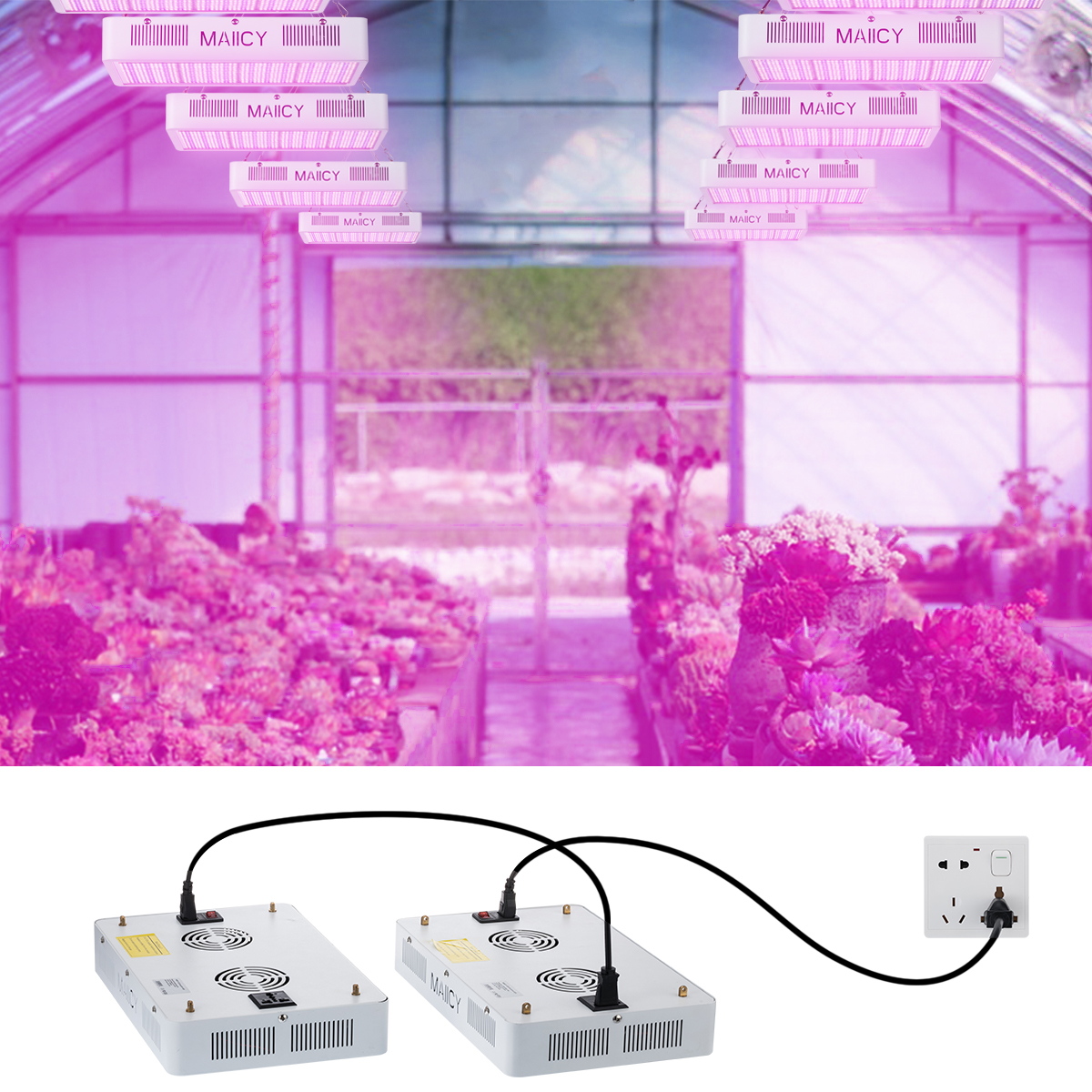
If you plan to scale up your indoor garden—for example, growing cherry tomatoes alongside herbs—you'll likely need to connect multiple 45W LED grow lights to cover a broader area effectively. Here's how to do it:
1. Use Daisy-Chain Connections
Many modern LED grow lights come equipped with daisy-chain capabilities, allowing you to link several units together using standard electrical connectors. Simply plug one light into another until you achieve the desired coverage. Be mindful of the total wattage supported by your outlet or power strip to avoid overloading the circuit.
2. Arrange Lights Strategically
Position the lights evenly across the growing area to prevent "hot spots" or uneven growth. For example, when growing cherry tomatoes, which require ample light due to their vining nature, arrange the lights to cover both the central stem and side branches. You might hang the lights overhead or angle them toward outer plant sections for uniform exposure.
3. Monitor Plant Response
As your plants grow taller or spread wider, periodically reassess their light needs. Adjust the height and position of the lights accordingly to maintain the ideal distance and intensity.
Specific Applications for Different Plants
Herbs
Herbs like basil, cilantro, thyme, and rosemary thrive under moderate light levels. A 45W LED grow light provides just enough intensity to encourage leafy growth. Keep the light at 18 inches above the canopy and aim for 14 hours of light per day. Regular pruning ensures bushier growth and maximizes yields.
Leafy Greens
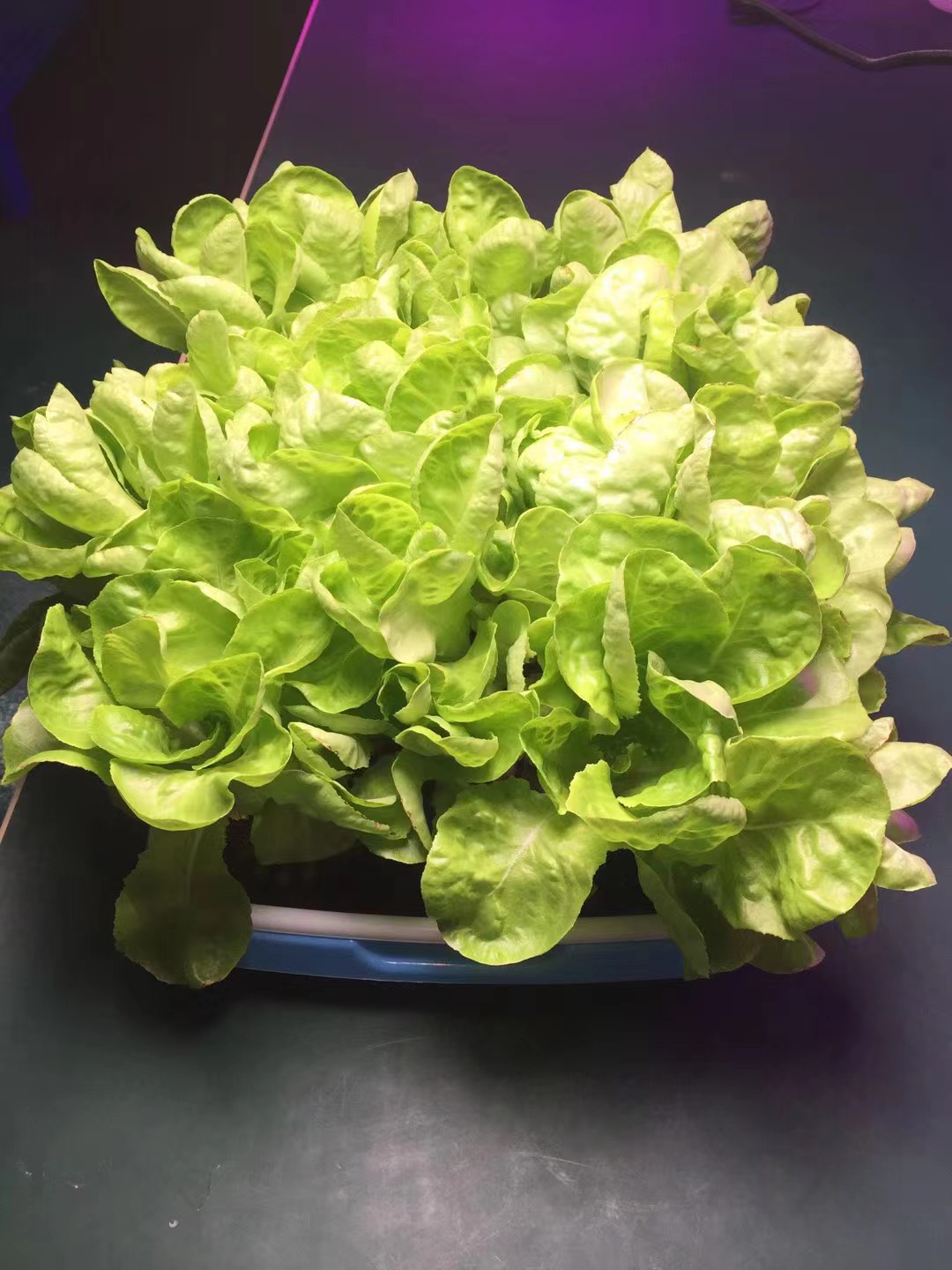
Spinach, lettuce, and kale benefit from the red and blue spectrums emitted by 45W LED grow lights. These fast-growing crops can handle slightly more intense light, so position the light closer to 12 inches. Harvest regularly to encourage continuous production.
Leafy greens such as lettuce, spinach, arugula, and kale also do well under 45W LED lights. These plants don’t require extremely intense light, making them suitable candidates for lower-powered fixtures. The key is ensuring the light is close enough to penetrate the canopy without causing stress.
Cherry Tomatoes
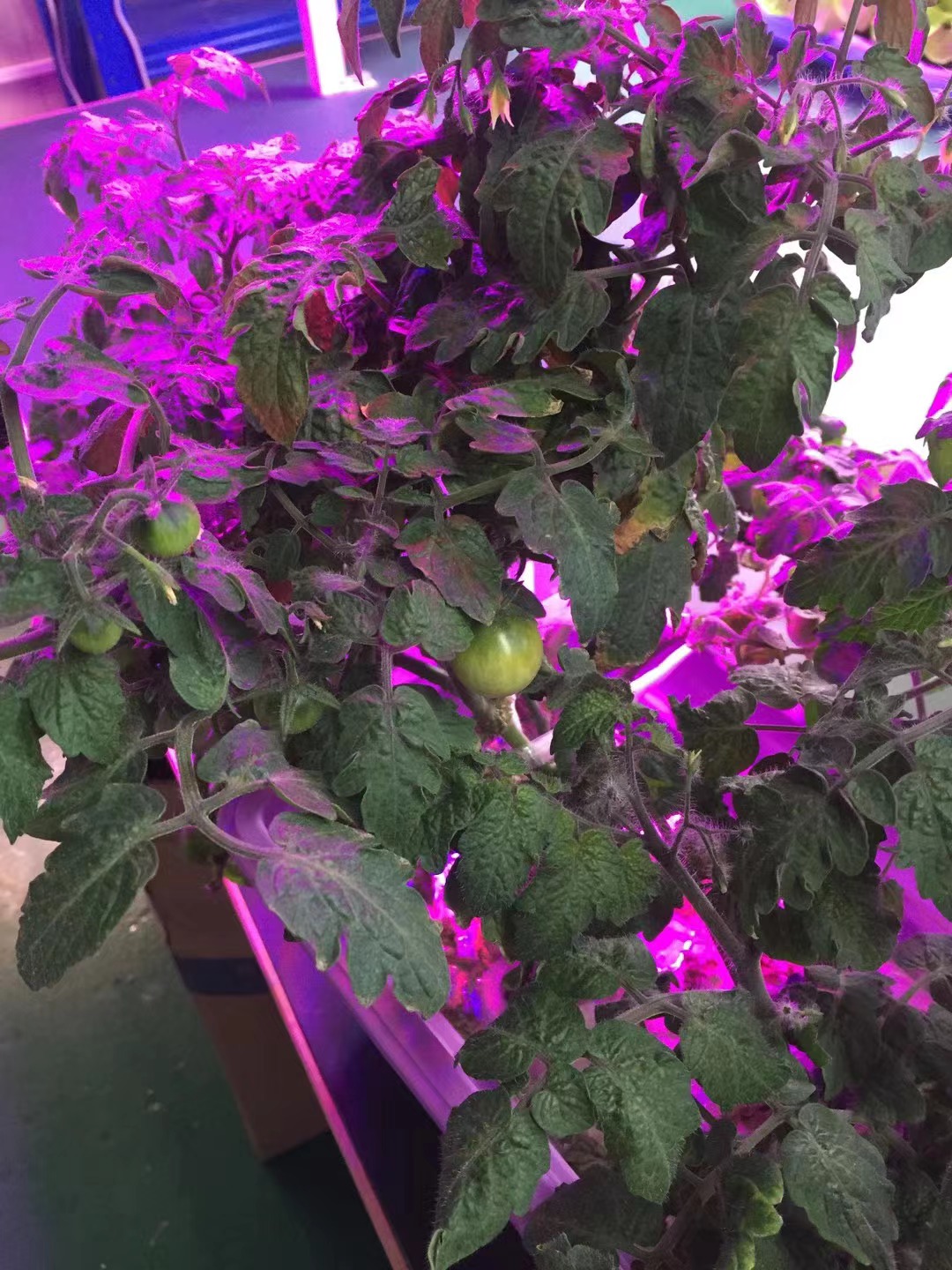
Cherry tomatoes demand bright light for flowering and fruiting. While a 45W LED grow light works well for individual plants, pairing two or three lights ensures comprehensive coverage for larger specimens. Maintain a distance of 12 inches and extend the light duration to 16 hours daily. Providing adequate support, such as trellises or stakes, allows the vines to climb freely as they mature.
Microgreens and Sprouts
Microgreens and sprouts are excellent choices for a 45W LED grow light. They have short growth cycles and minimal light requirements, making them perfect for beginners or those with limited space.
Limitations of 45W LED Grow Lights
1. Coverage Area
A 45W LED grow light is typically designed for a small to medium-sized growing area, usually around 2–4 square feet. If your space exceeds this size, the light won’t provide uniform coverage, leading to uneven growth or poor yields.
2. High-Light-Demand Plants
Plants that require very bright light, such as full-sized tomatoes, cucumbers, or cannabis, may struggle under a single 45W LED light. These plants need higher-intensity lighting, often provided by fixtures rated at 100W or more.
3. Flowering and Fruiting Stages
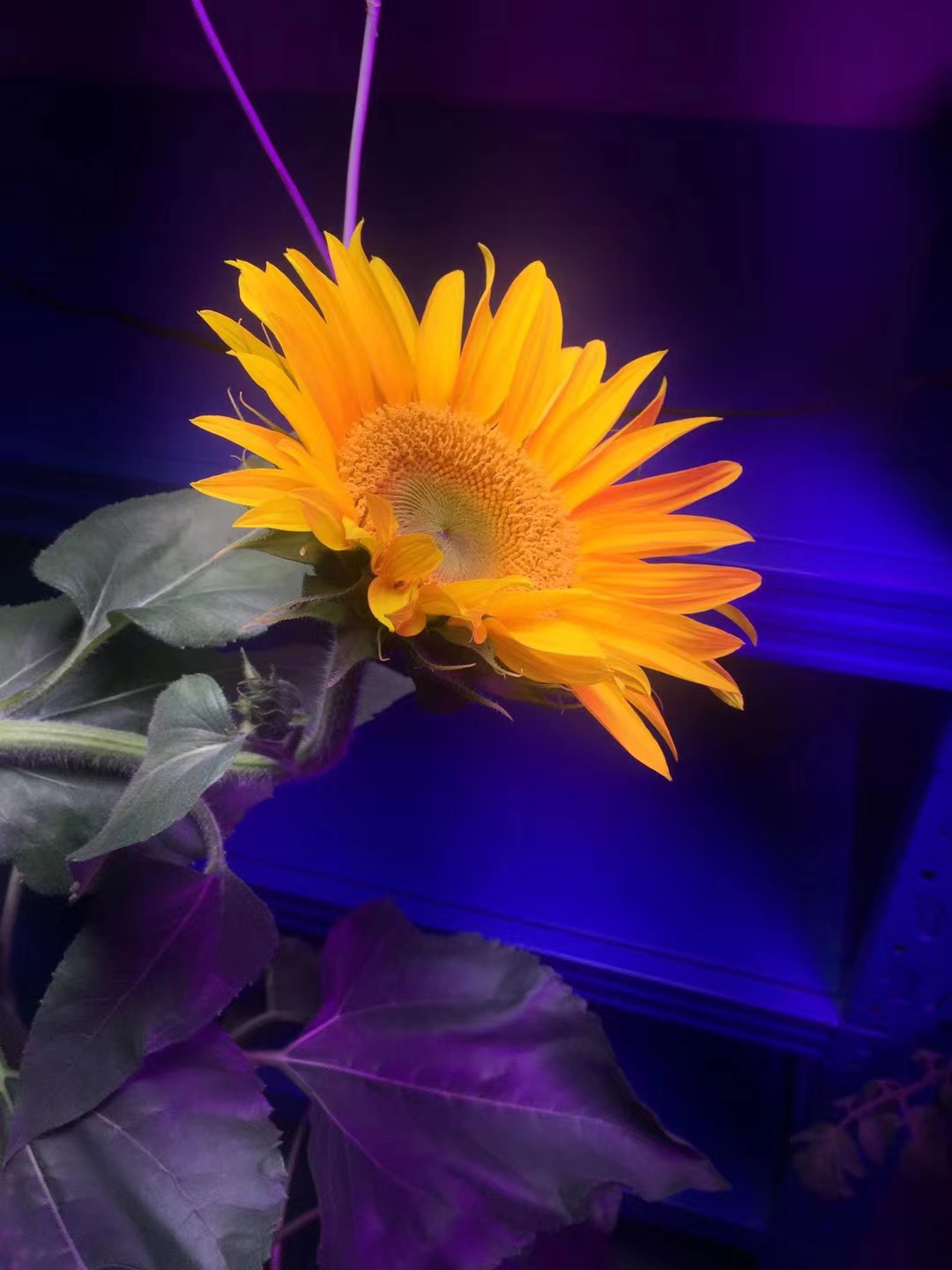
During the flowering and fruiting stages, plants require more light to support bud development and fruit production. A 45W light may not deliver enough intensity for robust blooms or heavy yields in these cases.
4. Plant Density
If you’re growing multiple plants in a tight space, a 45W light might not penetrate deeply enough to reach all leaves. This can result in leggy growth or lower-quality produce.
When to Upgrade Beyond 45W
.jpg?t=1c4f89c8-da44-8024-8ed6-fb4f68c998be)
If you’re planning to scale up your indoor garden or grow plants with higher light demands, consider upgrading to a more powerful LED grow light. Look for fixtures rated at 100W or above, which can cover larger areas and provide intense light for flowering and fruiting plants.
For example:
• 100W LED Grow Light: Suitable for medium-sized setups (6–9 square feet).
• 200W+ LED Grow Light: Ideal for large-scale gardens or high-light-demand crops like tomatoes, peppers, or cannabis.
Final Suggestions
A 45W LED grow light is powerful enough for many indoor gardening applications, particularly for herbs, leafy greens, microgreens, and small vegetables. Its energy efficiency and low heat output make it an excellent choice for beginners or those working with limited space. However, it may not be sufficient for larger areas, densely planted setups, or high-light-demand plants like cherry tomatoes or full-sized peppers. By understanding your specific needs and optimizing the placement and usage of your 45W light, you can create a thriving indoor garden that meets your expectations. If you find yourself outgrowing its capabilities, transitioning to a higher-wattage system is a logical next step.

GoldenBuds is a professional LED grow light manufacturer who can provide tailored service to your demand. With more than 7 seven years of experience in the industry and mature R&D team, we are serving the US, German, Spanish and other markets now. Contact us directly for better rate!
上一篇
Key Factors Influencing Customers' Choice of Grow Lights for Vegetable Cultivation
下一篇
How to Choose Ethernet Cables for Home or Office Network?
- Author:GoldenBuds
- URL:https://www.goldenbuds.online/LED-Grow-Lights/45W-LED-grow-light-for-indoor-herbs-or-cherrytomatoes
- Copyright:All articles in this blog, except for special statements, adopt BY-NC-SA agreement. Please indicate the source!
_%E5%89%AF%E6%9C%AC.jpg?table=block&id=3a6f89c8-da44-8078-b1f7-f7127a010413&t=3a6f89c8-da44-8078-b1f7-f7127a010413)
.png?table=block&id=315f89c8-da44-80e0-89f9-e9a30fee2f25&t=315f89c8-da44-80e0-89f9-e9a30fee2f25)
.png?table=block&id=282f89c8-da44-80cc-8570-e4d6e39bf187&t=282f89c8-da44-80cc-8570-e4d6e39bf187)

.jpg?table=block&id=15af89c8-da44-80c8-a850-fb54166e0aaf&t=15af89c8-da44-80c8-a850-fb54166e0aaf&width=1080&cache=v2)
.jpeg?table=collection&id=8d373a7f-7cb9-435f-89e7-dc9004eb2e1f&t=8d373a7f-7cb9-435f-89e7-dc9004eb2e1f&width=1080&cache=v2)
.jpg?t=126f89c8-da44-80da-97ad-ebbacc0c2d9b)
.jpg?t=19ef89c8-da44-80d0-a9b2-dd2b6256df4c)