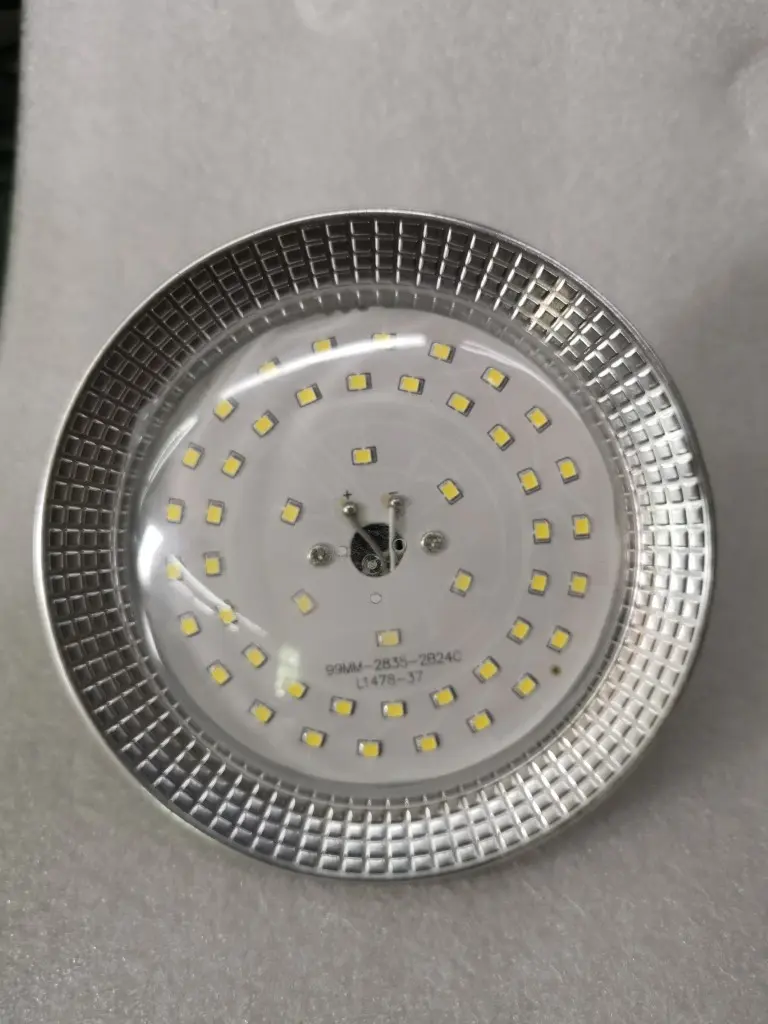
This article explained how to cultivate dragon fruit with LED grow lights , it will tell you what to pay attention to when you grow indoor or in someplace where is not typically good weather for dragon fruit cultivation.
How to Cultivate Dragon Fruit with LED Grow Lights for Indoor Gardening or in Non-tropical Regions
Dragon fruit, also known as pitaya, is a tropical cactus fruit that has gained immense popularity for its vibrant appearance, unique taste, and numerous health benefits. While it thrives best in warm climates with abundant sunlight, cultivating dragon fruit indoors or in regions with limited sunlight can be challenging. This is where LED grow lights come into play, providing an efficient and effective solution to ensure optimal growth and fruiting.
Why Use LED Grow Lights for Dragon Fruit?
LED grow lights are a popular choice for indoor gardening due to their energy efficiency, long lifespan, and ability to emit specific light spectrums tailored to plant needs. For dragon fruit, which requires plenty of light to thrive, LED grow lights mimic natural sunlight and provide the necessary wavelengths for photosynthesis, flowering, and fruiting. Unlike traditional lighting systems like HID (High-Intensity Discharge) or fluorescent bulbs, LEDs produce less heat, reducing the risk of overheating delicate plants while conserving energy.
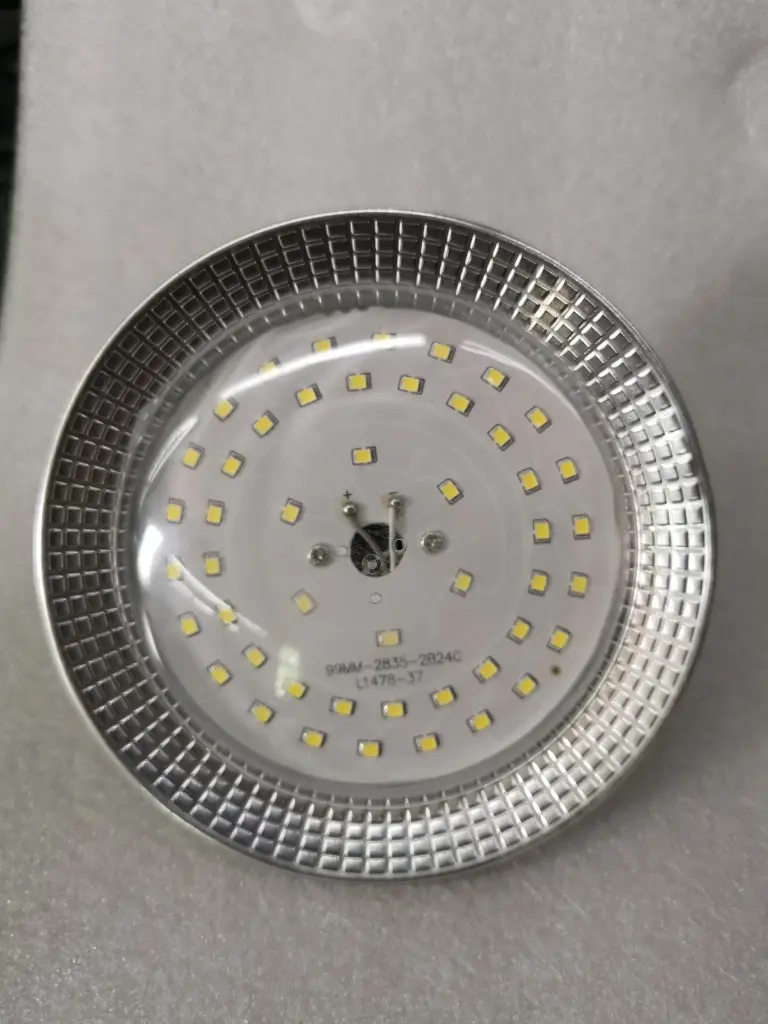
Optimal Wattage for Dragon Fruit
The wattage of LED grow lights depends on the size of your growing space and the number of plants.
Dragon fruit plants thrive under bright, indirect light. When using LEDs, aim for 30–50 watts per square foot of growing space. For example, for a single dragon fruit plant grown indoors, a 100-200 watt LED grow light is typically sufficient, but a single mature plant (which can spread up to 20 square feet in a trellised system) may require a 600–1000W LED setup to cover a broader area effectively. However, wattage alone is an incomplete metric—light spectrum and efficiency (measured as PPF or PPE) are equally critical. Full-spectrum LEDs mimicking sunlight (400–700 nm) are ideal, with a focus on red (620–680 nm) and blue (400–500 nm) wavelengths to boost flowering and stem growth.
Light Duration and Intensity Requirements
Light intensity, measured in Photosynthetic Photon Flux Density (PPFD), should range between 600–1000 µmol/m²/s during vegetative growth and increase to 800–1200 µmol/m²/s for flowering and fruiting stages. Younger plants or cuttings require gentler light (200–400 µmol/m²/s) to avoid stress. Maintain the lights 12–18 inches above the canopy, adjusting as the plant grows. Most modern LED grow lights allow you to adjust brightness, enabling precise control over light intensity.
Dragon fruit, as a short-day plant, initiates flowering after exposure to 12–14 hours of light followed by 10–12 hours of darkness. During vegetative growth, provide 14–16 hours of daily light to stimulate lush stems. Once buds form, reduce photoperiods to 12 hours to trigger blooming. To achieve this indoors, set up a timer to automate your LED grow light schedule. Maintaining consistency in the light cycle is crucial, as deviations can disrupt the plant’s natural processes.
Spectrum Considerations
LED grow lights offer customizable spectrums, which are essential for different stages of growth. During the vegetative stage, blue light (around 400-500 nm) promotes strong root development and lush foliage. As the plant transitions to flowering and fruiting, red light (600-700 nm) becomes critical for encouraging bud formation and fruit production. Full-spectrum LED lights that combine both blue and red wavelengths are ideal for simplifying the process.
1. Vegetative Growth Stage (Stem Development)
- Blue Light (400–500 nm):
- Dominates 30–40% of the spectrum to promote compact, sturdy stem growth and chlorophyll production.
- Peak wavelengths: 450 nm (deep blue) enhances vegetative vigor.
- Red Light (600–700 nm):
- Comprises 40–50% to support photosynthesis and balanced growth.
- Peak wavelengths: 660 nm (far-red) can be included sparingly to encourage lateral branching.
- White/Green Light (500–600 nm):
- 10–20% improves canopy penetration and reduces shading stress in dense growth.
2. Flowering and Fruiting Stage
- Red Light (600–700 nm):
- Increases to 60–70% of the spectrum to stimulate bud initiation, flowering, and sugar accumulation.
- 660 nm (deep red) is critical for triggering metabolic pathways linked to fruiting.
- Blue Light (400–500 nm):
- Reduced to 20–30% to maintain structural integrity without delaying flowering.
- Far-Red (700–750 nm):
- 5–10% at dusk can mimic natural sunset, potentially accelerating flowering in some cultivars.
3. Full-Spectrum LEDs
- Benefits:
- Provide a balanced mix (similar to sunlight) for holistic growth.
- Include UV-A (380–400 nm) in small amounts to thicken epidermal cells, improving pest/disease resistance.
- Green light (500–600 nm) enhances photosynthesis in lower canopy leaves.
Key Considerations
- Avoid Excess Blue: Prolonged high blue ratios (>40%) may delay flowering and cause oxidative stress.
- Night Interruption: Dragon fruit blooms nocturnally. Use moonlight LEDs (low-intensity blue/UV) during dark cycles to aid pollination without disrupting the plant’s circadian rhythm.
- Adjustable Fixtures: Use tunable LEDs to shift spectra as the plant transitions from vegetative to reproductive phases.
Practical Application
- Propagation/Cuttings: Start with 50% blue, 40% red, 10% white (PPFD: 200–400 µmol/m²/s).
- Mature Plants: Switch to 30% blue, 60% red, 10% far-red (PPFD: 800–1200 µmol/m²/s) during flowering.
By optimizing spectra alongside intensity and photoperiods, growers can maximize fruit yield and quality, even in controlled environments.
LED grow light spectrum requirements for dragon fruit during the ripening stage
Additional Tips for Growing Dragon Fruit Indoors
1. Temperature and Humidity: Dragon fruit prefers temperatures between 65°F and 85°F (18°C to 29°C). Maintain humidity levels at 40-60% to prevent issues like mold or dehydration.
2. Soil and Drainage: Use well-draining soil mixes designed for cacti or succulents to avoid waterlogged roots, which can harm the plant.
3. Support Structures: Dragon fruit vines need sturdy trellises or poles to climb as they mature. Ensure your support system is strong enough to bear the weight of the developing fruit.
4. Nutrient Management: Provide balanced fertilizers rich in nitrogen during the vegetative stage and switch to phosphorus- and potassium-rich formulas during flowering and fruiting.
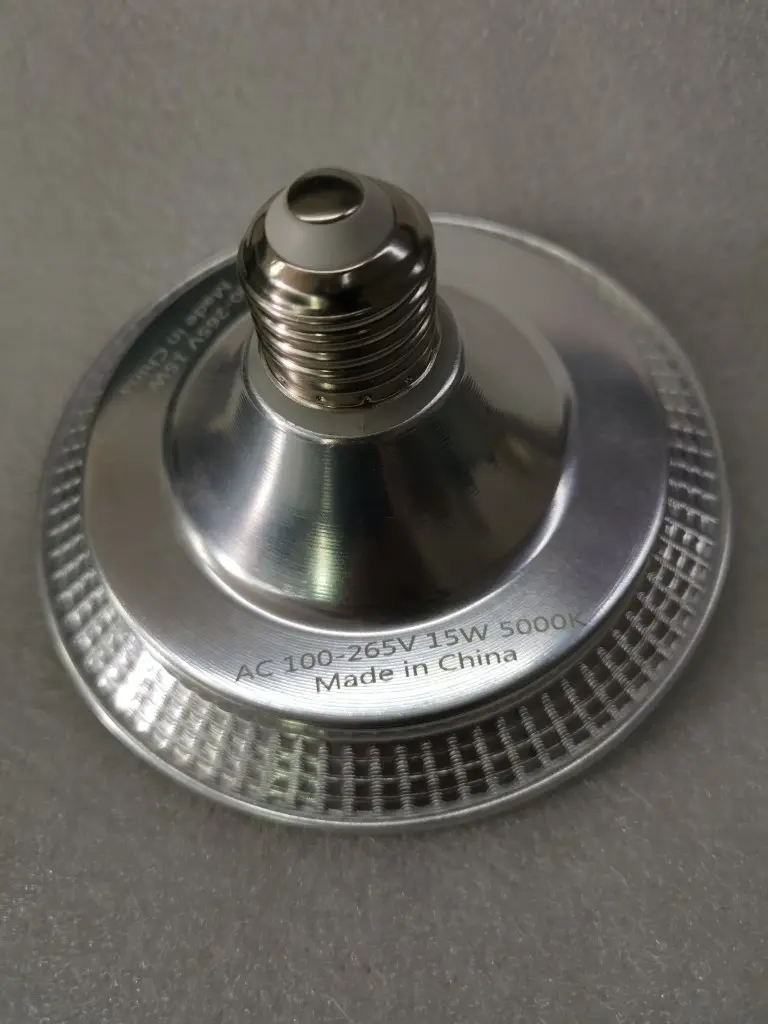
Key Advantages of GoldenBuds LED Technology
1.Energy Efficiency: LEDs consume 40–60% less energy than HPS/MH lights while generating minimal heat.
2.Customizable Spectrums: Adjustable red/blue ratios enhance flowering or vegetative growth.
3.Longevity: High-quality LEDs last 50,000+ hours, reducing replacement costs.
上一篇
How to Choose Ethernet Cables for Home or Office Network?
下一篇
GoldenBuds 4K Smart Projector 1080P Full-HD 800ANSI 40-150 Inches Auto-focusing
- Author:GoldenBuds
- URL:https://www.goldenbuds.online/LED-Grow-Lights/how-to-cultivate-dragonfruit-with-led-grow-lights-for-indoor-gardening-or-in-non-tropical-regions
- Copyright:All articles in this blog, except for special statements, adopt BY-NC-SA agreement. Please indicate the source!
_%E5%89%AF%E6%9C%AC.jpg?table=block&id=3a6f89c8-da44-8078-b1f7-f7127a010413&t=3a6f89c8-da44-8078-b1f7-f7127a010413)
.png?table=block&id=315f89c8-da44-80e0-89f9-e9a30fee2f25&t=315f89c8-da44-80e0-89f9-e9a30fee2f25)
.png?table=block&id=282f89c8-da44-80cc-8570-e4d6e39bf187&t=282f89c8-da44-80cc-8570-e4d6e39bf187)
.jpg?t=1c3f89c8-da44-80ff-8093-e961f6f792c1)

.jpg?table=block&id=15af89c8-da44-80c8-a850-fb54166e0aaf&t=15af89c8-da44-80c8-a850-fb54166e0aaf&width=1080&cache=v2)
.jpeg?table=collection&id=8d373a7f-7cb9-435f-89e7-dc9004eb2e1f&t=8d373a7f-7cb9-435f-89e7-dc9004eb2e1f&width=1080&cache=v2)
.jpg?t=126f89c8-da44-80da-97ad-ebbacc0c2d9b)
.jpg?t=19ef89c8-da44-80d0-a9b2-dd2b6256df4c)